Investing in office furniture is a big decision—one that can impact your team’s productivity, comfort, and your business’s bottom line. Unfortunately, many businesses and individuals make common mistakes when buying office furniture, leading to wasted money, uncomfortable workspaces, and furniture that doesn’t meet their needs. In this article, we’ll highlight the most common office furniture mistakes to avoid in 2026, targeting Google search terms like “office furniture mistakes to avoid,” “how to buy office furniture without wasting money,” and “common office furniture errors small business.”
One of the biggest mistakes people make when buying office furniture is choosing the cheapest option available. While it’s tempting to save money upfront, cheap furniture is often flimsy, uncomfortable, and short-lived. Search terms like “cheap office furniture problems” and “low-quality office chair issues” are common among users who have regretted buying budget furniture.
In 2026, it’s better to invest in high-quality, durable furniture that will last for years. Look for pieces with BIFMA certifications, solid construction, and warranties. While the upfront cost may be higher, you’ll save money in the long run by avoiding frequent replacements. Keywords like “high-quality office furniture worth the investment” and “durable office furniture for long-term use” are popular among users looking to make smart purchases.
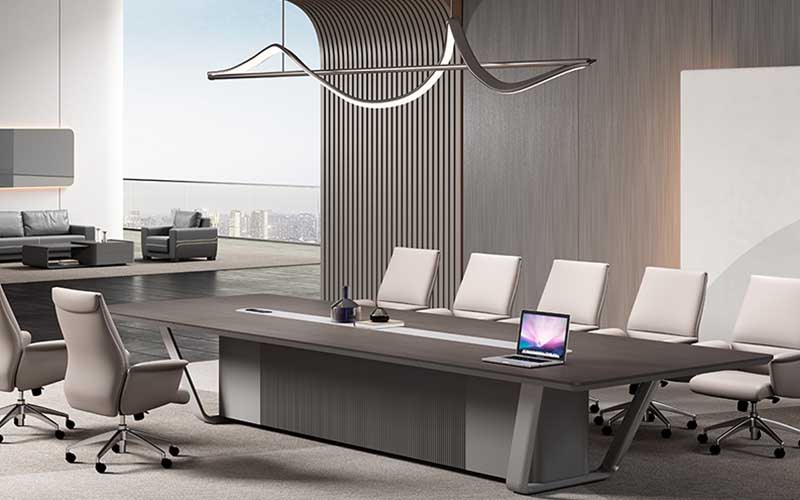
Another common mistake is overlooking ergonomics when choosing office furniture. Many people assume that ergonomic furniture is unnecessary or too expensive, but this couldn’t be further from the truth. Prolonged use of non-ergonomic chairs, desks, and keyboards can lead to back pain, neck pain, eye strain, and reduced productivity—costing businesses more in absenteeism and lost work hours.
Search terms like “non-ergonomic office furniture risks” and “ergonomic furniture importance” are on the rise, as users become more aware of the impact of furniture on health. In 2026, prioritize ergonomic features like adjustable chair height, lumbar support, and tilt functions, even if you’re on a budget. There are plenty of affordable ergonomic options available that offer basic comfort and support.
Buying furniture without measuring your office space is a recipe for disaster. Many people end up with desks, chairs, or conference tables that are too large for their space, making the office feel cramped and cluttered. Others buy furniture that’s too small, leaving unused space and reducing functionality. Keywords like “office furniture size mistakes” and “measure office space for furniture” are popular among users who want to avoid this error.
Before you start shopping, measure your office dimensions and create a layout. This will help you determine the size and shape of furniture that will fit best. For example, if you have a small office, a compact desk or a wall-mounted desk can save space. If you’re buying furniture for a conference room, measure the room to ensure the table and chairs fit comfortably without blocking walkways.
While it’s important to choose office furniture that aligns with your brand and aesthetic, it’s even more important to prioritize function. Many people buy furniture that looks great but doesn’t meet their team’s needs—for example, a stylish desk with no storage, or a chair that looks modern but is uncomfortable to sit in for long hours.
Search terms like “office furniture style vs function” and “functional office furniture 2026” are common among users looking to balance aesthetics and practicality. In 2026, choose furniture that is both stylish and functional. For example, a desk with built-in storage can help keep your workspace clutter-free, while an ergonomic chair with a modern design can enhance your office’s aesthetic without sacrificing comfort.
Many small businesses and startups buy office furniture based on their current needs, without considering future growth. This can lead to buying furniture that is too small or not flexible enough to accommodate a growing team. Keywords like “office furniture for growing business” and “flexible office furniture for expansion” are popular among users planning for the future.
In 2026, choose modular or adjustable furniture that can grow with your business. For example, modular workstations can be added to as your team expands, and adjustable standing desks can be adjusted to fit different users. This will save you money in the long run by avoiding the need to replace furniture every time your team grows.
Storage is often an afterthought when buying office furniture, but it’s essential for keeping your workspace organized and clutter-free. Without adequate storage, documents, equipment, and supplies can pile up, leading to a messy, unproductive workspace. Search terms like “office furniture storage mistakes” and “storage solutions for office furniture” are common among users struggling with clutter.
In 2026, prioritize furniture with built-in storage, such as desks with drawers, file cabinets, and bookshelves. If you have limited space, look for multi-purpose furniture that doubles as storage—for example, a bench with hidden storage or a desk with a built-in file cabinet. This will help you keep your workspace organized and efficient.
By avoiding these common mistakes, you can choose office furniture that meets your needs, fits your budget, and creates a comfortable, productive workspace. Whether you’re a small business owner, a facility manager, or a remote worker, these tips will help you make informed furniture choices in 2026. Remember: office furniture is an investment in your team’s well-being and your business’s success—so take the time to choose wisely.
- Date 2026-Apr-Fri
- Category Company News