In recent years, standing desks have become a popular alternative to traditional sitting desks, with more businesses and remote workers choosing to prioritize movement and wellness in the workplace. But with so much conflicting information online, it’s hard to know which option is right for your office. In this article, we’ll compare standing desks vs. traditional desks, breaking down their pros, cons, and ideal use cases—all while targeting high-volume Google search terms like “standing desk vs traditional desk 2026,” “benefits of standing desks at work,” and “traditional desk vs adjustable desk.”
First, let’s define the two types of desks:
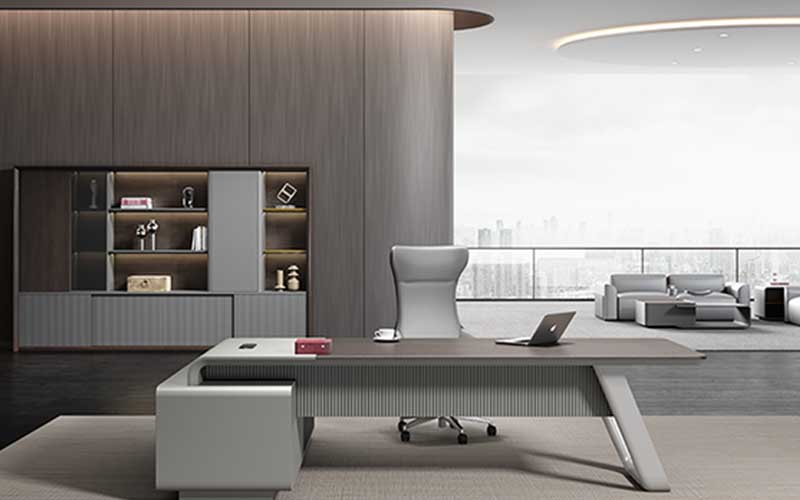
Traditional Desks: These are fixed-height desks designed for sitting. They come in a variety of styles, including writing desks, computer desks, and executive desks. Traditional desks are typically made from wood, metal, or particleboard, and they’re available at a range of price points. Keywords like “traditional office desk benefits” and “fixed-height desk for office” are still popular among users who prefer a classic workspace setup.
Standing Desks: Also known as adjustable desks, these desks can be raised or lowered to allow users to work while standing or sitting. They come in two main types: manual (adjusted by hand or crank) and electric (adjusted with a button). Standing desks are often made from durable materials like steel and bamboo, and they’re available in a range of sizes to fit different workspaces. Search terms like “electric standing desk 2026” and “adjustable height desk benefits” have seen significant growth in recent years.
Pros
Improved Health & Wellness: Standing while working reduces the risk of obesity, heart disease, and back pain associated with prolonged sitting. Studies show that standing for just a few hours a day can improve posture, increase energy levels, and boost metabolism. Keywords like “standing desk health benefits” and “reduce back pain with standing desk” are highly searched by users focused on wellness.
Enhanced Productivity: Many users report increased focus and productivity when using standing desks, as standing keeps them more alert and engaged. This is especially beneficial for tasks that require concentration, like writing, coding, or customer service.
Flexibility: Adjustable standing desks allow users to switch between sitting and standing throughout the day, which helps reduce fatigue and prevent muscle strain. This flexibility is ideal for hybrid workspaces and users with different preferences.
Cons
Higher Cost: Standing desks are typically more expensive than traditional desks, especially electric models. Keywords like “affordable standing desk” and “budget adjustable desk” are popular among users looking to save money.
Learning Curve: It can take time to adjust to standing while working, and some users may experience leg or foot fatigue initially. It’s important to start slowly and gradually increase standing time.
Space Requirements: Some standing desks are larger than traditional desks, which can be a problem for small offices or home workspaces. Search terms like “compact standing desk for small office” are common among users with limited space.
Pros
Lower Cost: Traditional desks are generally more affordable than standing desks, making them a great option for businesses or individuals on a budget. Keywords like “cheap traditional office desk” and “affordable fixed-height desk” are popular among price-conscious users.
Familiarity & Comfort: Most people are used to working at traditional sitting desks, so there’s no learning curve. They’re also more comfortable for extended periods of sitting, especially when paired with an ergonomic chair.
Variety of Styles: Traditional desks come in a wide range of styles, sizes, and materials, making it easy to find one that fits your office decor and needs. Whether you prefer a classic wooden desk or a modern metal desk, there’s an option for you.
Cons
Health Risks: Prolonged sitting at a traditional desk can lead to a range of health issues, including back pain, poor posture, and increased risk of chronic diseases. Keywords like “traditional desk health risks” and “sitting desk back pain” are searched by users concerned about their well-being.
Limited Flexibility: Traditional desks are fixed-height, so users can’t switch between sitting and standing. This can lead to fatigue and reduced productivity over time.
The answer depends on your team’s needs, budget, and workspace. Here’s a quick guide to help you decide:
Choose Standing Desks If: Your team works long hours, you prioritize employee wellness, you have the budget for adjustable furniture, and you want a flexible workspace. Standing desks are ideal for creative teams, remote workers, and businesses focused on ESG and employee well-being.
Choose Traditional Desks If: You’re on a tight budget, your team prefers sitting while working, you have limited space, or you’re looking for a classic, low-maintenance option. Traditional desks are ideal for small businesses, reception areas, and offices with a more formal aesthetic.
Many offices are now choosing a hybrid approach, combining standing desks for some employees and traditional desks for others. This allows teams to choose the option that works best for them, creating a more inclusive and comfortable workspace.
No matter which type of desk you choose, remember to pair it with an ergonomic chair to maximize comfort and reduce health risks. With the right desk and seating, you’ll create a workspace that boosts productivity, keeps your team happy, and aligns with 2026’s office furniture trends.
- Date 2026-Apr-Fri
- Category Company News